
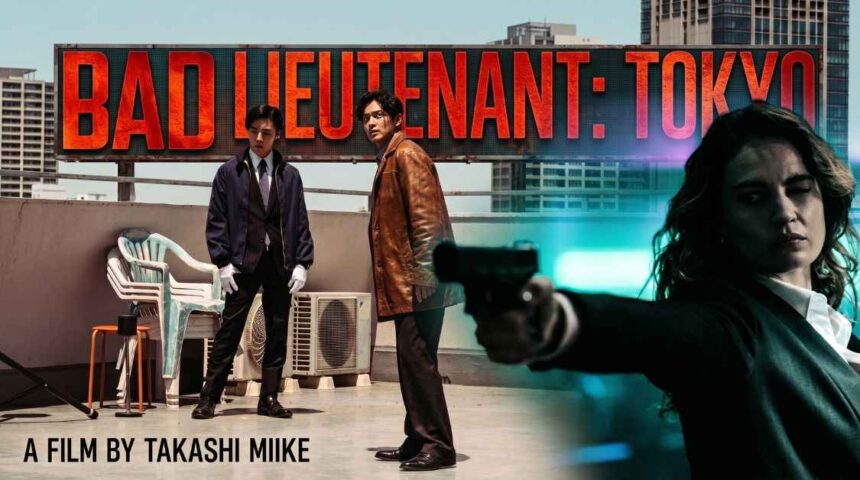
The third installment of the Bad Lieutenant franchise is a standalone sequel to Abel Ferrara’s 1992 film Bad Lieutenant, which was succeeded by Werner Herzog’s Bad Lieutenant: Port of Call New Orleans in 2009.
Bad Lieutenant Tokyo trailer has been released, and the film will receive its world premiere at the Toronto International Film Festival (TIFF) in September. The star cast includes Shun Oguri (Godzilla vs. Kong), Lily James (Baby Driver), Liv Morgan, Shotaro Mamiya, Shuhei Nomura, Nanase Nishino, and Yuka Mukai.
Daisuke Tengan (13 Assassins) wrote the screenplay. Sam Pressman, son of Bad Lieutenant producer Edward R. Pressman, produces the film along with Jeremy Thomas for Recorded Picture Company. Naoaki Kitajima for Nippon Television and Misako Saka for OLM are also on the list of producers.
Plot details of Bad Lieutenant: Tokyo (2026)
According to Digital Spy, the plot revolves around a twisted investigation asking a disgraced Tokyo detective to return to his job. But it is not that easy; the investigation involves the missing daughter of a powerful American family, a vengeful ex-yakuza (member of a highly organized crime mafia in Japan), and an enigmatic FBI agent.
Watch the teaser trailer here:
Director’s vision for the film
Japanese master of horror Takashi Miike (Audition, Ichi the Killer) is back for the third installment of the Bad Lieutenant franchise. He is one of Japan’s most prolific and unpredictable directors who constantly shifts between genres. He has directed everything from crime thrillers and samurai epics to horror, action, comedy, and family films. His willingness to take creative risks is what sets him apart from the pack.
If Bad Lieutenant: Tokyo follows this pattern, audiences can expect a detective story that doesn’t stick to familiar genre conventions. Since there are complex antiheroes in Bad Lieutenant films before, Miike excels at creating morally ambiguous protagonists, which is a filmmaking area loved by modern audiences. The emotionally damaged characters are more compelling because of their gritty, human side.
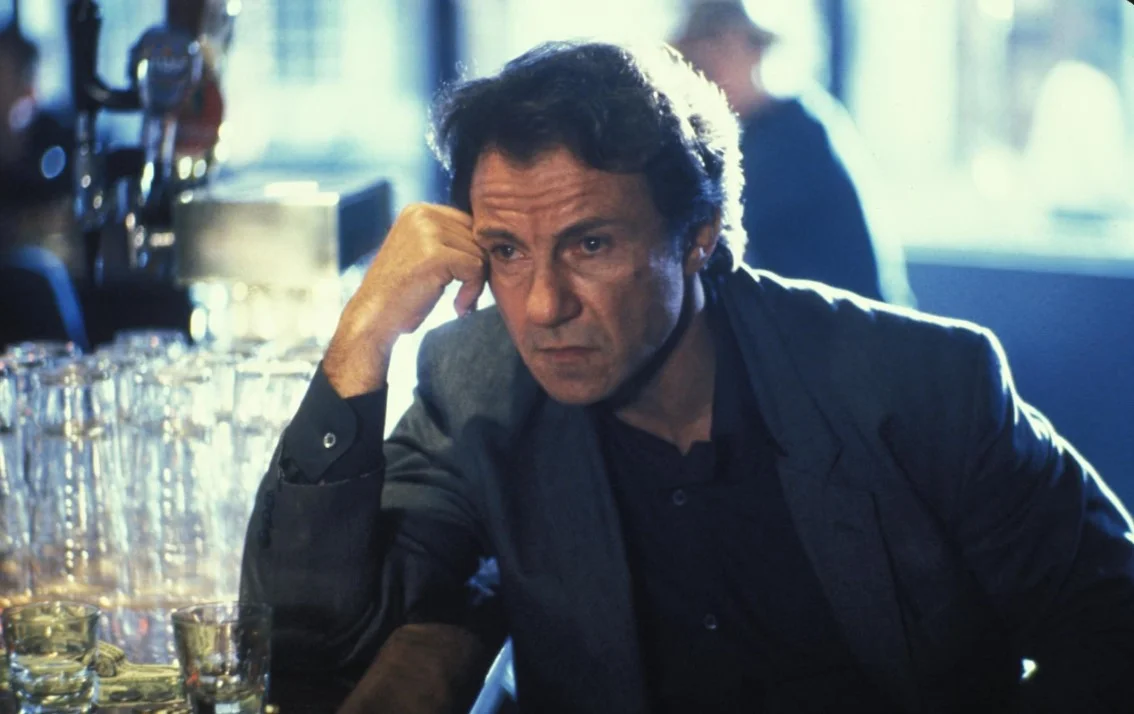
The first film was directed by Ferrara, and his filmmaking style was the biggest reason the film became a cult classic in that era. The unnamed lead character, only known as The Lieutenant, was played by Harvey Keitel, who was a deeply corrupt, drug-addicted, and heavily indebted police officer. Ferrara was more interested in exploring the psychological and moral collapse of the characters rather than emphasizing polished action or conventional crime storytelling.
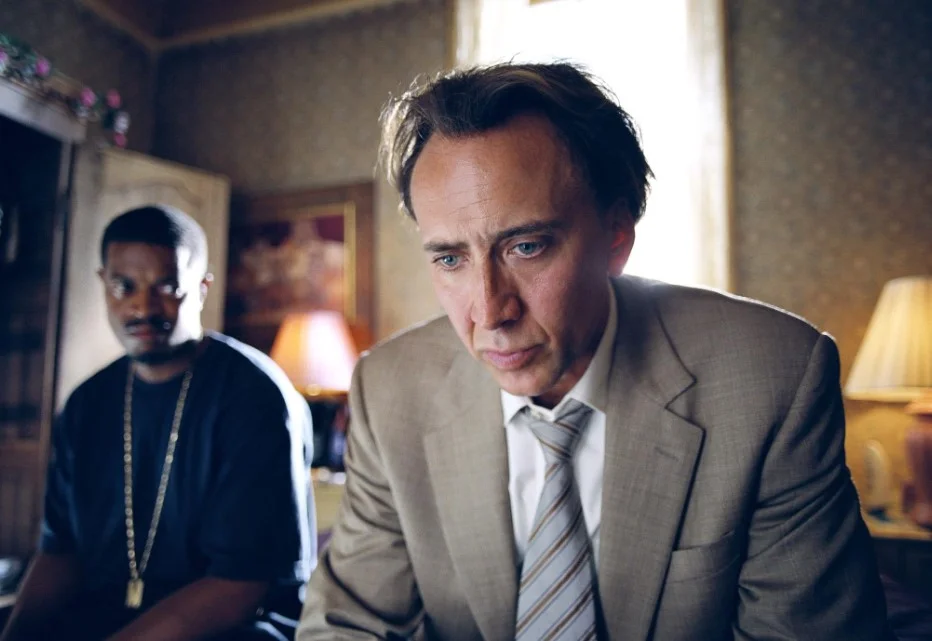
The second film was directed by Herzog and was not considered a sequel, as his approach was different from the former. Nicolas Cage played Terence McDonagh, struggling with drug addiction and his back injury that led him to severe painkillers. Unusual camera angles and symbolic imagery were used to reflect upon the protagonist’s deteriorating mental state. He wanted to show what goes on in the minds of people who are after criminals, who are constantly on the run for solving crimes, and what drives them crazy when undergoing obsession, corruption, or self-destruction.
Similarly, Miike’s film portrays the same damaged Lieutenant, but the director promised his new film would “break through every limit” when it was announced last year. He said,
“A team of incredibly talented actors and crew has gathered in Tokyo. Now. I’m about to throw a fastball straight down the middle of your strike zone — no tricks, no gimmick.” [Source]
Knowing that Miike is famous for presenting violence in bold, highly stylized ways, just like stylized action seen in The Furious (2026) or John Wick films, we could expect violence not for the mere purpose of spectacle but to reveal a character’s emotional state or to heighten the story’s tension.
What does this mean for Bad Lieutenant: Tokyo? It could be a spunky exploration of guilt and redemption while working on a case. A psychological drama that combines the best of both previous films’ approaches while adding Miike’s signature energy.
Bad Lieutenant Tokyo trailer analysis
The first teaser trailer doesn’t reveal much about the story but clearly sets the film’s tone, visual identity and themes. It gives a glimpse into the neon-soaked world of Tokyo’s criminal underworld. It opens with a mysterious man with a large tattoo on his back.
The trailer has Miike’s fingerprints everywhere with rapid editing, striking visuals, stylized violence, and eccentric energy. Several shots show the protagonist’s addiction, emotional instability, and reckless behavior. Like the previous films, the protagonist will be the one the viewers will be chasing.
Corruption still remains the central theme of the film but with a new interpretation of the franchise rather than a remake. The aim is not to copy its predecessors, but by preserving the franchise’s core idea, the deeply flawed detective would be spiraling through moral decay in a modern retelling with a stylistic daring by one of the most expressive directors.
When is Bad Lieutenant: Tokyo (2026) releasing?
Neon will distribute the film in the US later this year. The exact release date has not been announced yet.
Genre: Japanese crime, mystery, thriller
Cast: Shun Oguri, Lily James, Gionna Daddio, Liv Morgan, Shotaro Mamiya, Shuhei Nomura, Nanase Nishino, and Yuka Mukai
Director: Takashi Miike
Writer: Daisuke Tengan
Producers: Sam Pressman, Jeremy Thomas, Naoaki Kitajima, Misako Saka
Release date: TBA
Movie runtime: 1 hour 48 minutes

Passionate Entertainment Writer | Trusted Pop Culture Voice
Madiha Ali is an experienced entertainment writer with over five years of expertise in covering movies, TV shows, celebrity news, and pop culture. Her bylines appear on trusted platforms like The Rolling Tape, Screen Anarchy, High on Films, Ary News, The Express Tribune, Tea and Banter, Show Snob, CelebFeedz, Snapfeedz, Daily Planet Media, The Irish Insider, and Movie Insiderz.
She brings a personal, insightful approach to every story—whether she’s analyzing the emotional layers of a film or giving her take on trending celebrity headlines. Madiha’s writing style is known for being authentic, well-researched, and reader-focused.
When she’s not writing, she’s fully immersed in the world of entertainment—watching new releases, revisiting classics, exploring behind-the-scenes content, or reading books that fuel her creativity. Her passion for storytelling drives her work and helps her stay connected to what matters most in the industry.
Madiha believes great stories start conversations, challenge perspectives, and stay with us long after the credits roll. Through her writing, she continues to share those stories with clarity, depth, and heart.
Expertise in Entertainment Journalism
Published on Trusted Media Platforms
Audience-Focused & Original Voice
Dedicated to Quality Content