
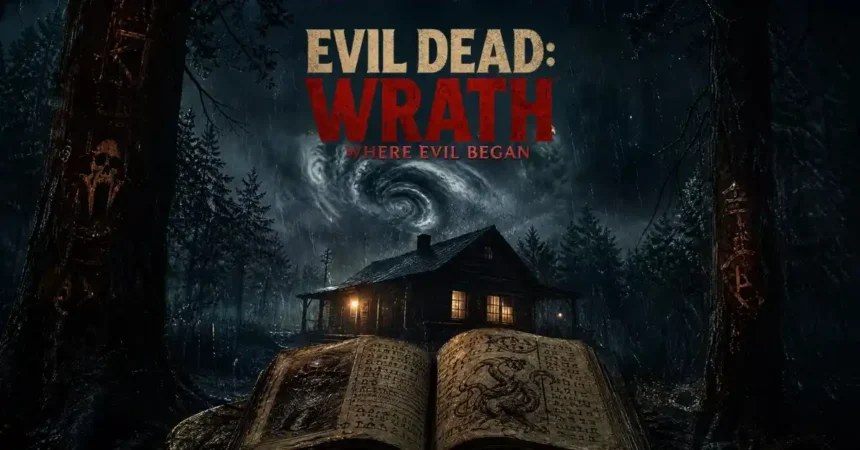
Evil Dead: Burn is already making waves over the internet after the recently released gnarly trailer of the film, which is directed by Sebastian Vanicek and set to hit theaters on July 8, 2026. However, the franchise owners know how to keep the excitement alive as Evil Dead Wrath’s 1972 timeline takes it further back in time than ever before.
Evil Dead: Wrath is the next installment of the franchise, helmed by upcoming film director Francis Galluppi (The Last Stop in Yuma County), set for a theatrical release on April 7, 2028. As per Bloody Disgusting, the producer Rob Tapert mentioned that it serves as the earliest chapter in the franchise’s timeline.
Tapert confirmed that Evil Dead Wrath is set in 1972, which is nine years before Ash Williams and her friends first stepped into that infamous cabin in the woods in 1982. It would place the film on a whole new trajectory of the franchise.
Tapert said,
“Evil Dead Wrath is yet another great departure. It predates everything. It takes place in 1972. It will feel like a 1972 movie because the director and his DP want to imitate the film’s look and feel of something that’s called “Ektachrome 100,” which was a film stock.” [Source]
Tapert further clarified that Wrath should be seen as a prequel, as it would offer the beginning story of the Deadites’ sinister hold over the humans. Wrath would have the most difficulty with the ratings board, as it is the goriest of all.
Plot details of Wrath are currently under wraps, but it is known that Galluppi has cast Charlotte Hope (Catch Me a Killer), Jessica McNamee (Mortal Kombat I and II), Zach Gilford (Midnight Mass), Josh Helman (Watching You), Ella Newton (Girl at the Window), Elizabeth Cullen (Diabolic), and newcomer Ella Oliphant in his movie.
Alongside Rob Tapert being the producer, Sam Raimi is on board for the same purpose. Romel Adam, Jose Canas, Lee Cronin, and Bruce Campbell serve as the executive producers.
Evil Dead Wrath’s 1972 setting is the missing piece of Evil Dead lore
When Tapert said “it predates everything,” he meant that Wrath takes place earlier in the timeline than every previous Evil Dead entry of the franchise. Since the original Evil Dead is set around 1981, and Evil Dead II (1982), Army of Darkness (1992), Evil Dead Rise (2023), and Evil Dead Burn (2026) all occur later, it could suggest that we might get to see earlier encounters with the Necronomicon and their origins in Wrath.
We need to know where the book came from, who made it, why there was a need to call the Deadites, and all related, previously unseen history that could expand franchise mythology, along with answers to the origins of evil forces.
Since Wrath is directed by Galluppi, Tapert calls his direction style “very Tarantino-esque,” indicating that Wrath could be slow-burning rather than constant action. As compared to Vanicek, who prefers aggressive camera movements and visually chaotic horror as seen in the Evil Dead Burn trailer, Galluppi’s Wrath may be heading in a markedly different direction.
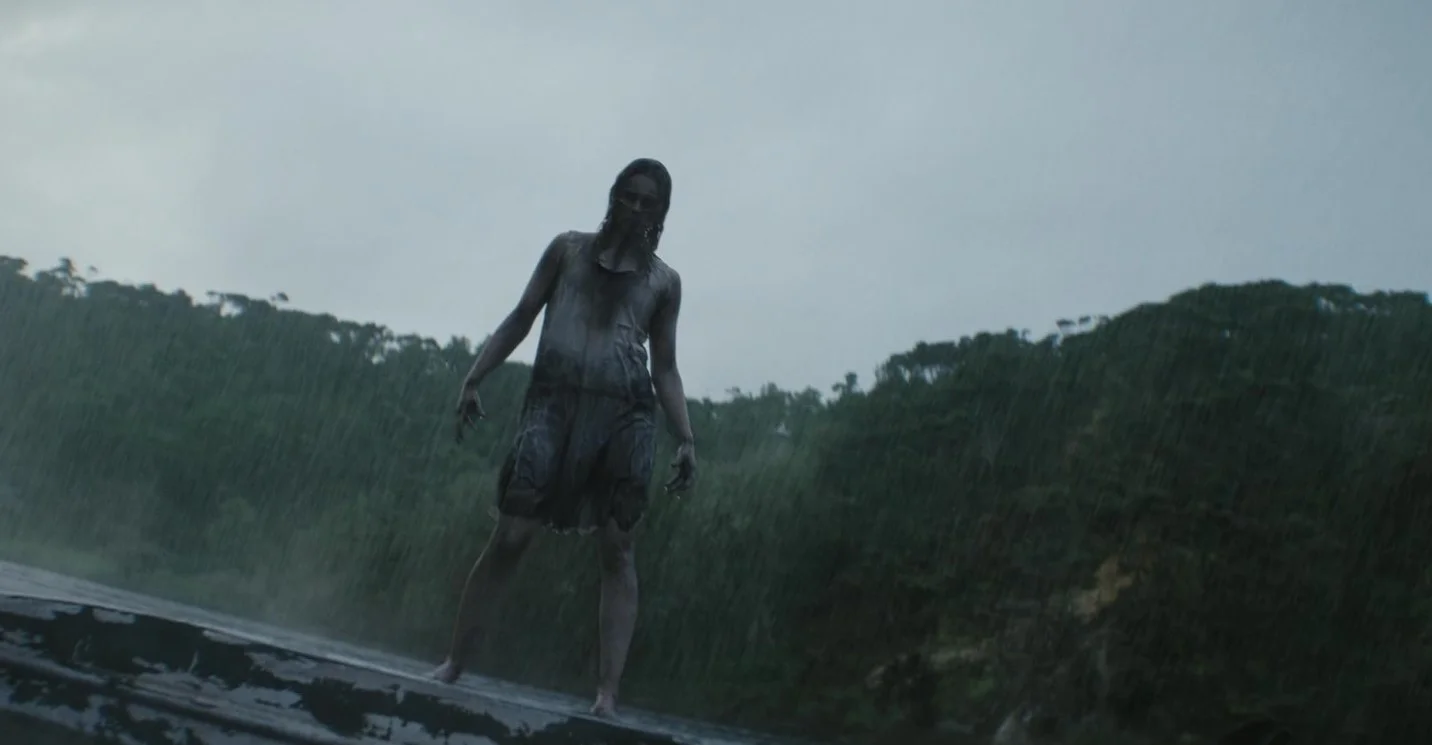
Galluppi could choose prolonged suspense, character interactions, and carefully constructed scenes that allow dread to simmer before erupting into violence. His selection of careful pacing would be intentional for storytelling purposes.
Also, the use of Ektachrome 100 suggests that the slightly vintage cinematography would be preferred in Wrath, since Galluppi wants to give the film a rich, saturated, distinctive granular cinematic feel, which was iconic in films from the late 1960s and early 70s. Galluppi isn’t simply recreating the 1970s production design; rather, he’s trying to redesign how movies and images from that era looked.
Tapert praised Galluppi’s The Last Stop in Yuma County (2023) since he found it to be a well-crafted movie with strong writing, directing, pacing, and character. The deliberate choosing of Galluppi’s confidence-infused filmmaking suggests that Wrath’s 1972 setting would open doors to more grounded, suspense-driven mayhem before unleashing the franchise’s trademark Deadite mayhem.
Catch up with our Evil Dead Burn review before Evil Dead Wrath lands in theatres.

Passionate Entertainment Writer | Trusted Pop Culture Voice
Madiha Ali is an experienced entertainment writer with over five years of expertise in covering movies, TV shows, celebrity news, and pop culture. Her bylines appear on trusted platforms like The Rolling Tape, Screen Anarchy, High on Films, Ary News, The Express Tribune, Tea and Banter, Show Snob, CelebFeedz, Snapfeedz, Daily Planet Media, The Irish Insider, and Movie Insiderz.
She brings a personal, insightful approach to every story—whether she’s analyzing the emotional layers of a film or giving her take on trending celebrity headlines. Madiha’s writing style is known for being authentic, well-researched, and reader-focused.
When she’s not writing, she’s fully immersed in the world of entertainment—watching new releases, revisiting classics, exploring behind-the-scenes content, or reading books that fuel her creativity. Her passion for storytelling drives her work and helps her stay connected to what matters most in the industry.
Madiha believes great stories start conversations, challenge perspectives, and stay with us long after the credits roll. Through her writing, she continues to share those stories with clarity, depth, and heart.
Expertise in Entertainment Journalism
Published on Trusted Media Platforms
Audience-Focused & Original Voice
Dedicated to Quality Content