

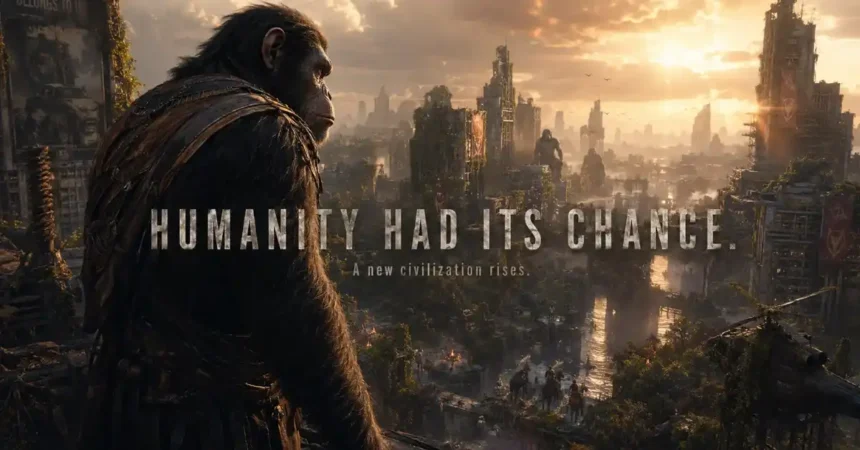
Since 1968, Planet of the Apes has transported audiences into a world ruled by intelligent apes, where the creatures once believed to eventually evolve into humans have instead become the dominant species on Earth. The first film gained a magnificent 86% critics’ rating, but the subsequent ones failed to maintain the same prestige.
Except for the new Caesar trilogy that began in 2011 and ended in 2017, taking us to experience the eventual ape uprising. The critical reception kept improving upon the last, which is deemed the trilogy’s massive success. The trilogy’s first part was helmed by Rupert Wyatt, while the last two were headed by Matt Reeves, now directing Robert Pattinson’s The Batman Part II.
Back after seven years, Kingdom of the Planet of the Apes set many generations after War of the Planet of the Apes (2017), where humans had regressed to a primitive state. The film matched the tone of today’s generation’s mindset, where the youth question everything they have been taught and make choices that would define a future for apes and humans alike in the film, thus proving to be a solid financial success.
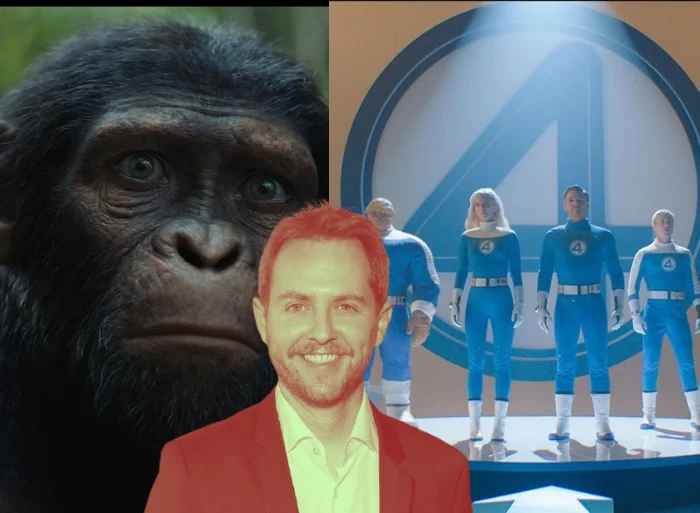
According to Deadline, Fantastic Four: First Steps director Matt Shakman is tapped to direct an untitled Planet of the Apes film at 20th Century, with Josh Friedman penning the script. The longtime Apes producers Rick Jaffa and Amanda Silver are also on board.
Plot details are currently kept under the blankets, but we know that the Planet of the Apes franchise is known for apes ruling the world while humans are no longer the superior beings. Sources have revealed that the story would not be a continuation of 2024’s Kingdom of the Planet of the Apes. Rather, it would be a new story that the director and writer are collectively developing.
Why is the Fantastic Four director the right choice for the new Planet of the Apes movie?
Shakman has become Disney’s favorite after earning an Emmy nomination for directing the Marvel Studios series WandaVision (2021). His work helped him bag his directing project for First Steps, which was a summer blockbuster last year.
Though some concerns were raised when news first broke about Shakman jumping from Marvel’s retro-futuristic superhero world to a bleak ape-dominated dystopia. His transition from Hollywood’s one of the most colorful, cosmic, and traditionally lighthearted superheroes to more emotionally grounded storytelling like that in the recent Planet of the Apes films is raising doubts.
Directed by Wes Ball, the latest entry in the Planet of the Apes franchise is 2024’s Kingdom, which was hailed as one of the most deeply moving, sincere, and emotional entries. The film carried an impressive critic rating of 80%, with 77% praise from the general audience.
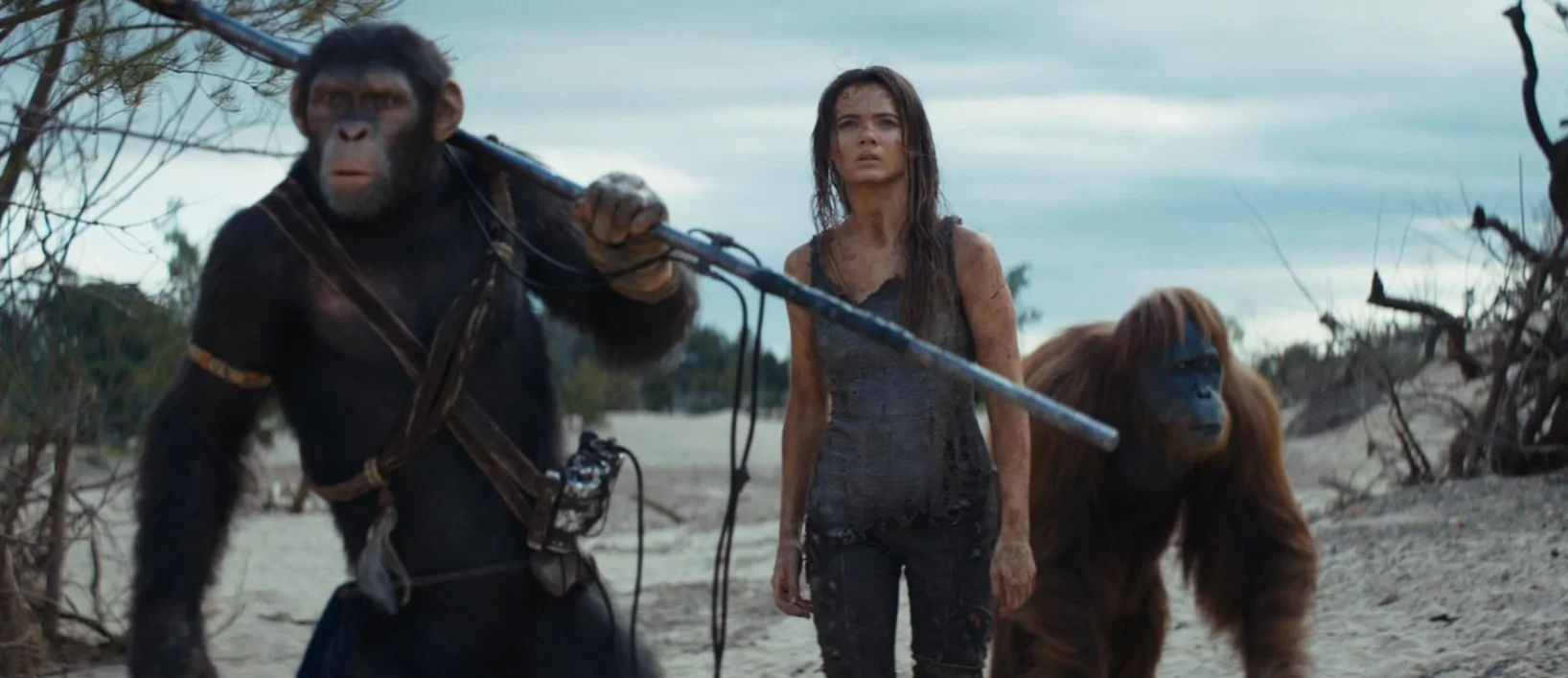
It should be noted that the critics’ consensus of Kingdom mentioned “lovable characters and rich visuals,” which are the two most highlighted features that Shakman can bring to the franchise. Doubting Shakman’s abilities for only crafting generic and commercially “Marvelized” films would be wrong since he has ample experience in balancing spectacle and emotional storytelling through projects like WandaVision and It’s Always Sunny in Philadelphia (2005-). This dark comedy sitcom has complex characters who show highly impactful emotional moments, unveiling their deep-seated damage and rare personality elements.
He knows how to mix drama with large-scale sci-fi concepts; hence, nullifying the concerns about the perception and franchise direction is possible. His track record makes him a far more logical choice for the Planet of the Apes since, looking at the larger picture, First Steps depicted the collapse of humanity in a serious sci-fi franchise, and the rise of intelligent apes gives a more dramatic tonal shift in the same manner.
Similarly, WandaVision isn’t remembered because of its Marvel-esque display; it resonated because of its emotional core, colored with all human emotions like identity, emotional denial, grief, and loss.
Planet of the Apes still has a lot of potential when it comes to creating new stories, as new characters and new locations will bring to life a new, rich universe. Caesar’s trilogy (2011-2017) chronicled the life of Caesar, a genetically enhanced chimpanzee who leads an ape uprising against humanity, giving us a whole new world.
If Matt Reeves, who is associated with the DC world, can enter the Apes franchise, then Shakman could also be given a chance. Under Reeves, the Apes franchise became more ambitious, darker, more introspective, more character-driven, and visually more cinematic. Caesar stopped feeling like a typical CGI action hero and became the most emotionally complex protagonist.
Matt Shakman can also make the new stand-alone film a viable way forward. He can approach the franchise with the same level of thematic seriousness and emotional focus, making it more than a studio continuation. Shakman has a perfect opportunity to shun the endless replication of emotional weights that we have seen earlier in the Apes franchise and build a creative path in a post-Caesar world with possible new generations, different ape societies, or philosophical conflicts.

Passionate Entertainment Writer | Trusted Pop Culture Voice
Madiha Ali is an experienced entertainment writer with over five years of expertise in covering movies, TV shows, celebrity news, and pop culture. Her bylines appear on trusted platforms like The Rolling Tape, Screen Anarchy, High on Films, Ary News, The Express Tribune, Tea and Banter, Show Snob, CelebFeedz, Snapfeedz, Daily Planet Media, The Irish Insider, and Movie Insiderz.
She brings a personal, insightful approach to every story—whether she’s analyzing the emotional layers of a film or giving her take on trending celebrity headlines. Madiha’s writing style is known for being authentic, well-researched, and reader-focused.
When she’s not writing, she’s fully immersed in the world of entertainment—watching new releases, revisiting classics, exploring behind-the-scenes content, or reading books that fuel her creativity. Her passion for storytelling drives her work and helps her stay connected to what matters most in the industry.
Madiha believes great stories start conversations, challenge perspectives, and stay with us long after the credits roll. Through her writing, she continues to share those stories with clarity, depth, and heart.
Expertise in Entertainment Journalism
Published on Trusted Media Platforms
Audience-Focused & Original Voice
Dedicated to Quality Content