


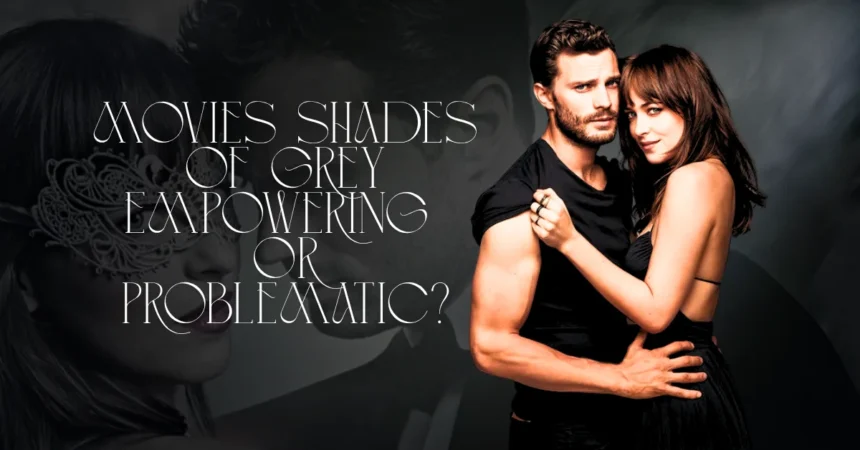
When the first Fifty Shades film came out, it was a box office success, but the audience was divided due to polarized reviews by the book lovers and the cinemagoers. The critics largely panned the film, still, the trilogy became a global phenomenon.
It implies that the audience’s tastes for the movies Shades of Grey exist for a reason. On the opening weekend of Fifty Shades of Grey (2015), women aged 25 years and above comprised approximately 68 to 70 percent of the moviegoers in the US, according to The Los Angeles Times.
It was a notable achievement in itself, but it also reflected a shift in how the films were received: hailing a story written by a woman, directed by a woman, and centered on a female lead. Despite Hollywood’s ongoing hesitation to fully back female storytellers, the films demonstrated that there is a strong and enduring demand for such narratives—and that they continue to succeed commercially.
Yet, beyond their success, what do these films truly represent? Given that women make up a significant portion of the audience, what are they taking away from these stories? Do these films shape romantic expectations? Could they be harmful? And do they provide any meaningful reflection on society, their themes, or perceptions of the opposite sex?
First of all, let’s assess the audience and critical response of these films to gain a clearer perspective:
| IMDb | RT critics’ score | RT audience score | |
| Fifty Shades of Grey (2015) | 4.2 | 25 percent | 41 percent |
| Fifty Shades Darker (2017) | 4.6 | 11 percent | 47 percent |
| Fifty Shades Freed (2018) | 4.6 | 11 percent | 38 percent |
With such poor ratings, it leaves me baffled as to why and how such films get massive popularity. The films’ message remains ambiguous: are audiences drawn to them purely for visual pleasure, or do they appreciate a deeper, more substantive layer beneath the surface?
Sam Taylor-Johnson directed the first film but had intense creative differences with the book’s author, E.L. James. The author demanded strict adherence to the source material, while the director wanted her artistic liberties. James Foley followed up on the sequels, but the ratings dropped even further.
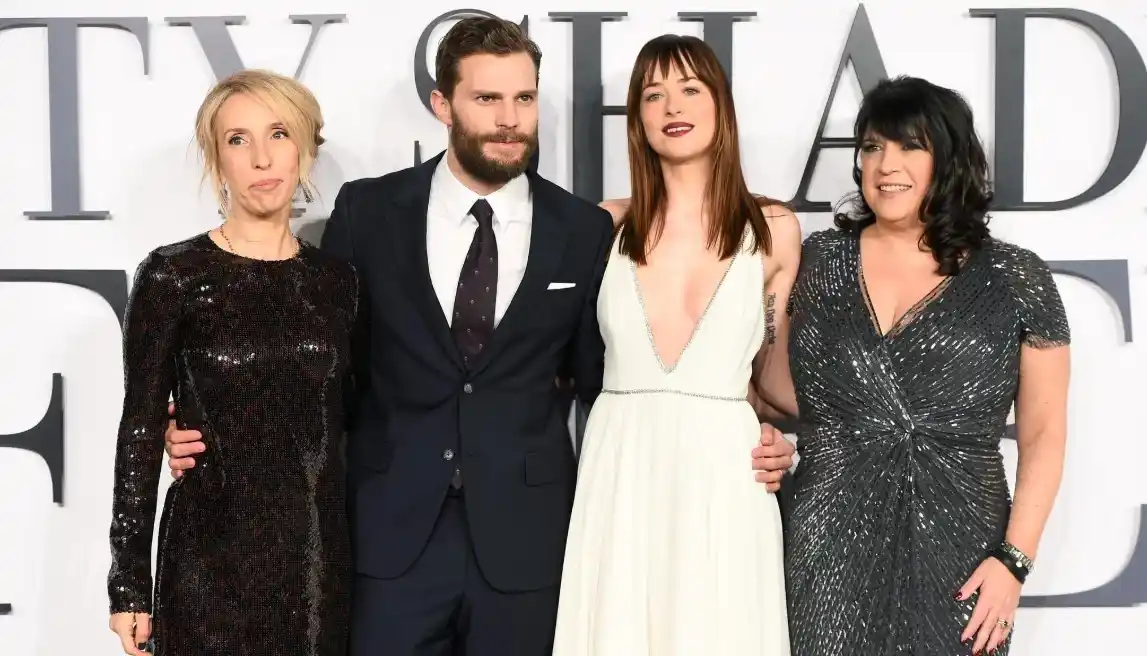
While the films may not provide anything particularly deep or mind-blowing, they do spotlight a provocative subject: BDSM. Christian Grey (Jamie Dornan) is a smart, wealthy billionaire with an interest in BDSM, and Anastasia Steele (Dakota Johnson), an English literature student, meets him during an interview. Naturally, sparks fly, and their relationship becomes the story’s focus.
While Anastasia enjoys some of Christian’s BDSM tricks, she eventually freaks out as things go dark, leading her to leave Christian. Was the violence romanticized under the light of BDSM? For those who don’t know BDSM, let me explain:
BDSM stands for bondage/discipline, dominance/submission, and sadism/masochism, per a PMC research study. This culture indicates a bizarre consensus on unconventional erotic practices that involve power dynamics from both participants. It includes sensory play and unusual bondage, which is not necessarily meant to be just for sexual intercourse.
Expanding on this ideology, the Fifty Shades of Grey movie trilogy remains highly disputed due to its exploration of female sexuality, and for others who deem it problematic. It should be noted that Sam Taylor-Johnson clarified the film’s intention when it was initially condemned for glorifying domestic abuse. The BBC reported several protesters showing banners that declared Mr. Grey a rapist.
The director addressed the protests, urging them not to form judgments without first viewing the film. The narrative seeks to empower Anastasia, who engages in every sexual encounter of her own volition, yet maintains the ultimate authority to refuse when confronted with situations that challenge her vulnerability.
Is the controversy around the movies Shades of Grey justified?
Looking back at the viewership statistics, I am truly dumbfounded at the type of content and the demographics attached to it. The films’ defenders argue that the sexual scenes of the film should not be taken as abuse or glorification of any sin. It should rather be taken as a kinky relationship framework for an old-fashioned romance rather than gauging it as a realistic representation of a healthy relationship.
The controversy revolves around the debate of coercion and abuse. Even the BDSM community members agree that the film is a “darker” depiction of the concept, often ignoring the clauses of the “safe, sane, and consensual” contract. The contract existed in the film, where viewers thought it was somehow breached due to the coercive control exerted by the dominant character, Christian, thereby blurring the lines of true, enthusiastic consent by Anastasia.

A significant backlash came upon Anastasia’s depiction of female sexuality, being gullible enough to fall into the trap of a controlling man just for the sake of her own lousy fantasies. It shows her regressive mindset and subservient nature, calling the films a bad representation of the “by women, for women” agenda.
Having considered the arguments on both sides, it becomes clear that the controversy is justified. The problematic depiction of sexuality and authority does not clearly draw a line between what a man wants and how the woman takes it. The book as well as the films are both criticized for promoting the idea that a broken man could be fixed by a submissive woman’s love, mixed with sadistic and patriarchal dynamics. Still, a woman always holds the right to own her choices, even if they happen to be a little adventurous.

Passionate Entertainment Writer | Trusted Pop Culture Voice
Madiha Ali is an experienced entertainment writer with over five years of expertise in covering movies, TV shows, celebrity news, and pop culture. Her bylines appear on trusted platforms like The Rolling Tape, Screen Anarchy, High on Films, Ary News, The Express Tribune, Tea and Banter, Show Snob, CelebFeedz, Snapfeedz, Daily Planet Media, The Irish Insider, and Movie Insiderz.
She brings a personal, insightful approach to every story—whether she’s analyzing the emotional layers of a film or giving her take on trending celebrity headlines. Madiha’s writing style is known for being authentic, well-researched, and reader-focused.
When she’s not writing, she’s fully immersed in the world of entertainment—watching new releases, revisiting classics, exploring behind-the-scenes content, or reading books that fuel her creativity. Her passion for storytelling drives her work and helps her stay connected to what matters most in the industry.
Madiha believes great stories start conversations, challenge perspectives, and stay with us long after the credits roll. Through her writing, she continues to share those stories with clarity, depth, and heart.
Expertise in Entertainment Journalism
Published on Trusted Media Platforms
Audience-Focused & Original Voice
Dedicated to Quality Content