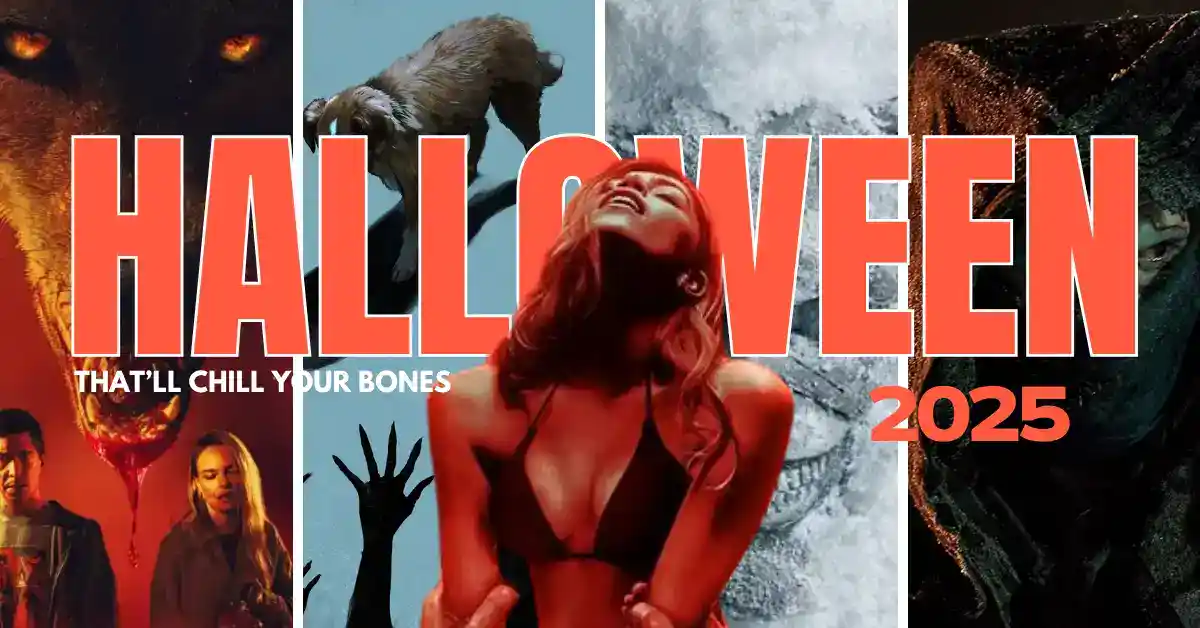

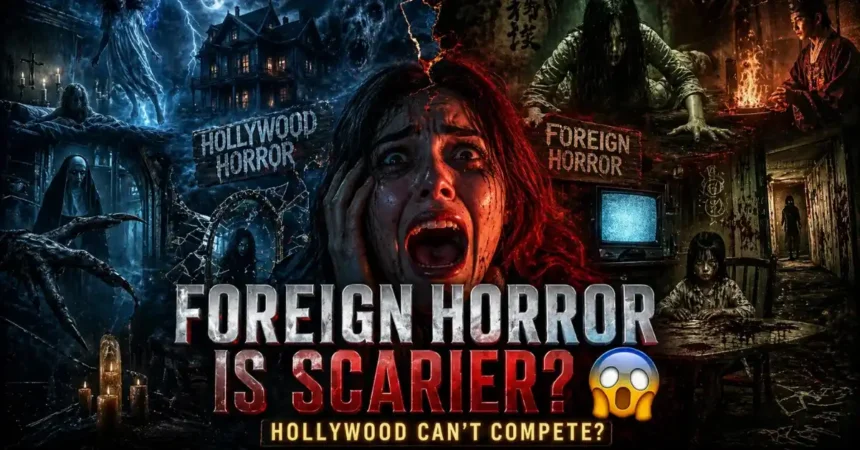
While it may seem that a generally held perception is that original horror stories are becoming scarce due to overreliance on sequels, remakes, and formulaic plots, the genre is still fresh when it comes to the latest hits like Weapons (2025). New voices are always welcomed by modern fans, as they tend to challenge genre conventions and redefine storytelling techniques that make a story truly frightening.
Foreign movies are generally considered more terrifying, as their scares rely on deep-seated cultural anxieties and slower “haunting” dread. Most of the Hollywood movies are either game-to-film adaptations or remakes of old classics like Nosferatu (1922) or from other countries.
With massive budgets and cutting-edge technology, Hollywood has produced some of the finest horror films that will be celebrated in all times to come. The Exorcist (1973), Hereditary (2018), and The Conjuring (2013-) are a few names that are crafted to create maximum impact. They were intense and possessed polished storytelling that hit audiences instantly.
However, when it comes to ‘pure’ fear, foreign films from Japan, South Korea, Spain, and France have done an impressive job. They use cultural fears and folklore, fused with ambiguous or disturbing endings that stay in your memory for weeks. Their films don’t scare; they stay with you like an unwanted discomfort. The emotional and physical fears are intelligently blurred, which forces us to think about how far the boundaries could be pushed beyond mainstream jump-scare norms that could break the rules.
Yet again, this does not lead us to conclude that Hollywood movies are far behind foreign horror films. It depends on what you find scary. Sometimes, some people may not find the most frightening horror movies as scary as any other due to their high tolerance from overexposure. They are desensitized, as a person’s personality, brain chemistry, and personal phobias also determine if a film hits a viewer’s “sweet spot” of fear.
Hence, if you prefer intense, immediate scares, Hollywood offers better. If you’re drawn to deep psychological unease and lasting dread, foreign films tend to have the edge. It all depends on execution, originality, and emotional impact.
Some of the most frightening horror movies from other countries
Ju-on: The Grudge (2002) from Japan
This Japanese masterpiece has been adapted several times, but the original still remains the best. It is considered one of the scariest J-horror films, and its genre-defining scares did not overdo any scene.
The story is about a real-life trauma that disturbed a family and formed a shadowy cloud over another. It follows a curse cast upon a family living in a house which was later inhabited by another family; the vengeful ghost of the previous family caused trouble for the next family who moved in.
Incantation (2022) from Taiwan
This is one of my personal favorites, as it centers upon a single mother who brings her daughter back from foster care. She had put her there before, as she had been dealing with mental health issues that occurred from entering a mountain cult’s religious taboo-breaking by entering the sacred tunnel while filming a ghost-hunting web show; the cult’s curse seemed to have followed her to her house, where she lives with her daughter.
Incantation is one of the creepiest found-footage horror films, as the horrific visuals and the unseen dread that takes us inside the tunnel are well-done. They don’t feel like cheap efforts for forced fears. The blend of an ambiguous ending and human philosophy for believing in demonic cults has been smartly presented in this modern masterpiece that truly deserves all the praise.
Ringu: The Ring (1998) from Japan
Ringu from Japan has also been adapted, as the Western audience is more familiar with the name The Ring. The story is about a girl who draws tragically and plans to avenge it via a haunted VHS tape. She is constantly seen coming out of the well and entering the house via the TV screen, which is the consequence for a person watching the tape and receiving a phone call. The call is deemed a warning that they have seven days to live.
The film serves as a definitive case of redefining the genre with a scary girl-like creature in a plain white dress, but only her hair is seen on her face, coming to haunt your dreams.
Martyrs (2008) from France
Directed by Pascal Laugier, the film is set in 1971 when a tortured and kidnapped girl escapes from her captors. She is placed in an orphanage where she is struggling to socialize and make new friends. She does make one and asks her to help her years later to clean up the mess of a family whom she had killed 15 years earlier. She believed the family was that of her captors and transformed her revenge into a blood-filled torture fest herself.
Since the film was a part of the French film extremity movement, expect it to be full of gore, sadistic bloodshed, and torture at its core. The profound explanation of pain mixed with the manifestation of trauma requires a strong viewer to survive through this horror film.
A Tale of Two Sisters (2003) from South Korea
Directed by Jee-woon Kim, this psychological horror film explores grief and trauma by following two teenage girls. One of them comes back home after spending time in a psychiatric hospital and reunites with her sister. The girls find themselves at odds with their widowed father’s new wife. The tension within the house steadily builds, triggering a series of events that unsettle the family. One sister tries to protect the other as the latter grows suspicious of their stepmother.
The heavily unnerving atmosphere is the heart of the story. The family tragedy, deep psychological tightness, and stylish filmmaking lay the foundation of exquisite Korean cinema with a stark realization of the fact that the world isn’t as simple as you picture it.
The Wailing (2016) from South Korea
The Wailing holds a special place among my most favored works. Directed by Na Hong-jin, the narrative delves into the investigation of an incompetent policeman focusing on a mysterious sickness and gruesome murders. An expert amalgamation of police investigative procedures with shamanism, demonic possessions, and folk horror makes it a genuinely masterful thriller.
The film makes the audience keep guessing till the last scene who is evil. The overwhelming dread completely consumes you, making the viewing experience entirely daunting. The film has an unwavering capacity to creep under your skin, wrapping you in a suffocating atmosphere that you can’t escape or resist. The Guardian has reviewed it as:
“Korean director Na Hong-jin delivers a supreme evocation of evil in this intense rural-horror.” [Source]
Rec (2007) from Spain
The director, Jaume Baaguero, has achieved something remarkable by seamlessly combining found-footage storytelling with zombie horror. A reporter from a Barcelona TV station and her cameraman decide to spend a night with local firefighters. The firefighters receive a call from an apartment and eventually find themselves quarantined in the same building as the residents begin to exhibit strange, rabid behavior.
The liminal horror gives claustrophobic vibes, provoking the viewers to feel smothered. The panic-fueled flick uses a first-person perspective, making the real-time storytelling more authentic. The viewers are left with no choice but to feel trapped with those zombies as well.
Terrified (2017) from Argentina
Demian Rugna delivers an exceptional achievement in both writing and directing this Argentinian gem. Set in a quiet residential neighborhood in Buenos Aires, the film unfolds a series of unexplained supernatural disturbances that disrupt everyday life. A police officer, alongside a pair of paranormal investigators, attempts to unravel a mystery involving a levitating corpse, a child who returns from the dead, and a sinister presence lurking within a bedroom—among other chilling events.
The film has a powerful grip on the viewer right from the start. Every paranormal unfolding feels more disturbing than the last. The horror feels chaotic and uncontrollable, which makes it more raw and unfiltered. The terror is entirely unsuspected by the audience, as the director has worked hard in building dread through silence, stillness, and sudden unease that lingers long after they occur.

Passionate Entertainment Writer | Trusted Pop Culture Voice
Madiha Ali is an experienced entertainment writer with over five years of expertise in covering movies, TV shows, celebrity news, and pop culture. Her bylines appear on trusted platforms like The Rolling Tape, Screen Anarchy, High on Films, Ary News, The Express Tribune, Tea and Banter, Show Snob, CelebFeedz, Snapfeedz, Daily Planet Media, The Irish Insider, and Movie Insiderz.
She brings a personal, insightful approach to every story—whether she’s analyzing the emotional layers of a film or giving her take on trending celebrity headlines. Madiha’s writing style is known for being authentic, well-researched, and reader-focused.
When she’s not writing, she’s fully immersed in the world of entertainment—watching new releases, revisiting classics, exploring behind-the-scenes content, or reading books that fuel her creativity. Her passion for storytelling drives her work and helps her stay connected to what matters most in the industry.
Madiha believes great stories start conversations, challenge perspectives, and stay with us long after the credits roll. Through her writing, she continues to share those stories with clarity, depth, and heart.
Expertise in Entertainment Journalism
Published on Trusted Media Platforms
Audience-Focused & Original Voice
Dedicated to Quality Content