
CinemaCon 2026 has ended, giving us learnings and visions that could shape Hollywood’s cinematic landscape. This year, it became clear that it’s not just about the big studios. Studio Canal, Row K, and Angel Studio also gained significant momentum at the annual film exhibitions.
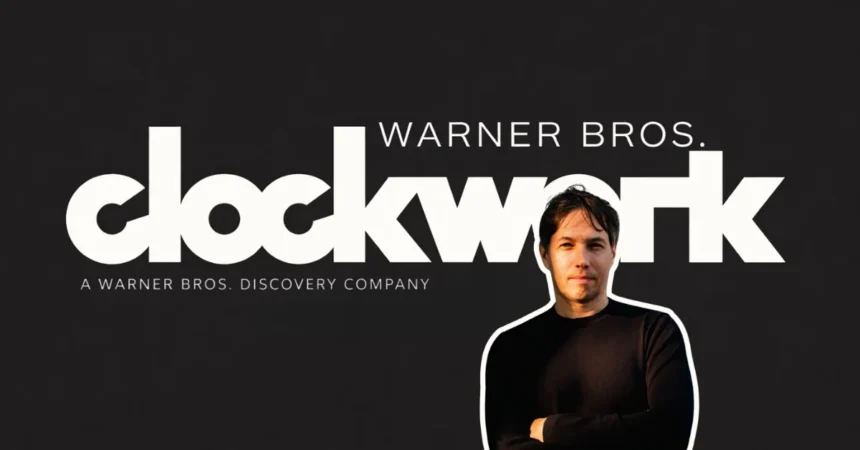
One of the highlights was Warner Bros’ Clockwork, which emerged as a dedicated label or system with creative freedom given to lower-budget, independent, and filmmaker-driven projects.
According to Deadline, the first film acquisition by Clockwork is from Academy Award-winning filmmaker Sean Baker. His Anora (2024) won the Best Picture Oscar, signaling Hollywood’s shift towards bold, indie filmmaking rather than traditional Oscar-bait films.
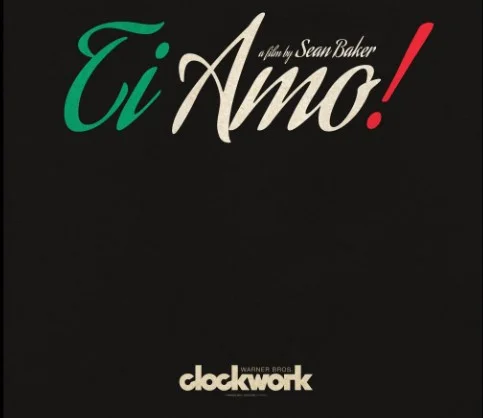
Clockwork’s first film is titled Ti Amo!. Warner Bros. will handle its global theatrical distribution except in France in 2027. Ti Amo! will have Baker as writer, director, editor, and producer. He will again work with Anora’s producers, Alex Coco and Samantha Quan. Their production companies, Cre Film and Rapt Film, are backing the project, with FilmNation Entertainment providing financing.
The film executive and former Neon CMO, Christian Parkes, leads Clockwork, who is all praise for Baker. He said,
“Sean Baker is an artist who embodies everything we believe in at Clockwork, and Ti Amo! will be another gift to cinema…Plus, his poster game is on point.” [Source]
How does Warner Bros’ Clockwork differ from traditional studio divisions?
Clockwork Label differs from the majors, Warner Bros. Pictures, or DC Studios, as its specialty is low-budget, auteur-driven, and “specialty” cinema. Under this label, WB wants to pursue the legacy of producing socially relevant, provocative, and culturally resonant cinema for global audiences.
The category that was most notably handled by Neon and A24 is now under Warner Bros.’ domain as well. Warner Bros. has realized that the demand for an internal indie-style studio is on the rise. This step would help the distributor to take bigger creative risks without requiring massive, formulaic box office returns like those from blockbuster franchise films.
Though most of CinemaCon’s showcase consisted of Warner Bros.’ glittering films, such as Dune 3, Zach Cregger’s Gladys, The Flood, Evil Dead, Wrath, Final Destination 7, and many more. Under this spotlight, the culturally relevant films, which make up a minority of Hollywood’s cinematic production each year, are left behind.
Such films often target the Letterboxd generation of cinephiles, most of whom are modern audiences who like flawed characters with more character depth, becoming more resonant with the viewers. How Letterboxd fostered a new generation of 19-34-year-olds who prefer dysfunctional and anti-heroic protagonists is a discussion on its own. However, this segment of the cinephile population wants morally gray rather than perfect or idealized archetypes, which Warner Bros. is ready to go all in on.
Obviously, such unique films require an unconventional marketing strategy, as demonstrated by Neon and A24. The viral campaigns for Parasite and Longlegs captured audiences’ attention by signaling a clear departure from traditional, corporate marketing tactics. A recent example that resonated strongly with those disappointed by the Academy’s snub of No Other Choice was particularly striking.
This marks a new era for Warner Bros., as the studio steps into this space with a clear mandate: restoring classic Warner Bros. films for theatrical release while blending that legacy with bold, auteur-driven work. For this purpose, Clockwork has shaken hands with talent from Neon, focusing on a dedicated team that would take care of specialized cinema exclusively.
Hence, the future direction of Warner Bros. is to have cinematic taste within a major studio. Clockwork could be framed as an internal boutique studio that has a particular tonal predilection with a higher tolerance for risk. It is not only a franchise expansion but also a parallel lane for auteur cinema associated with a giant distributor that is known for mainstream studio output, but now with the biggest structural implication in its internal duality.

Passionate Entertainment Writer | Trusted Pop Culture Voice
Madiha Ali is an experienced entertainment writer with over five years of expertise in covering movies, TV shows, celebrity news, and pop culture. Her bylines appear on trusted platforms like The Rolling Tape, Screen Anarchy, High on Films, Ary News, The Express Tribune, Tea and Banter, Show Snob, CelebFeedz, Snapfeedz, Daily Planet Media, The Irish Insider, and Movie Insiderz.
She brings a personal, insightful approach to every story—whether she’s analyzing the emotional layers of a film or giving her take on trending celebrity headlines. Madiha’s writing style is known for being authentic, well-researched, and reader-focused.
When she’s not writing, she’s fully immersed in the world of entertainment—watching new releases, revisiting classics, exploring behind-the-scenes content, or reading books that fuel her creativity. Her passion for storytelling drives her work and helps her stay connected to what matters most in the industry.
Madiha believes great stories start conversations, challenge perspectives, and stay with us long after the credits roll. Through her writing, she continues to share those stories with clarity, depth, and heart.
Expertise in Entertainment Journalism
Published on Trusted Media Platforms
Audience-Focused & Original Voice
Dedicated to Quality Content